The End of Secretive Talk? FIFA’s Bold New Move
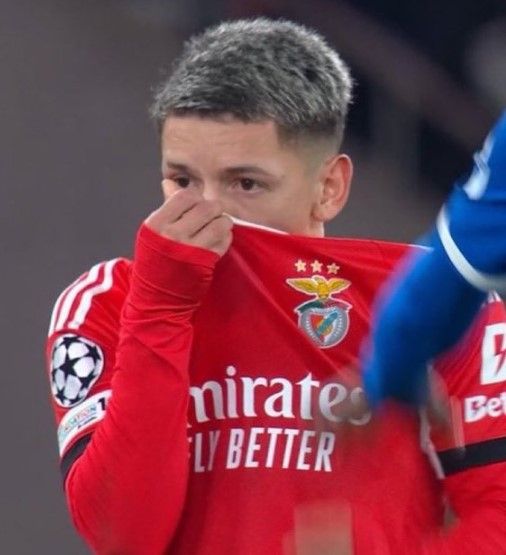
In the high-stakes world of professional football, every gesture and word is scrutinized. However, one specific habit has become a staple of the modern game: players covering their mouths with their hands or jerseys while speaking to teammates, opponents, or officials. What started as a tactical precaution has evolved into a widespread phenomenon that many believe shields unsporting behavior. Now, the FIFA Players’ Committee is set to formally discuss whether this practice should be restricted or even punished. This move represents a significant shift in how the governing body views player privacy and accountability on the field of play.
The discussion, which has been brewing for several years, centers on the balance between a player's right to private communication and the sport's need for transparency, especially regarding anti-racism and fair play initiatives. As lip-reading technology and media scrutiny reach all-time highs, players have sought refuge behind their hands. But is this shield being used to hide more than just tactical secrets? FIFA’s upcoming deliberation could redefine the disciplinary landscape of the sport.
Why the Hand-Over-Mouth Gesture Became a Standard
The rise of the "hand-over-mouth" technique can be traced back to the mid-2000s, coinciding with the proliferation of high-definition broadcasting and the use of specialized lip-readers by tabloid media. Players realized that any comment made on the pitch could be transcribed and published within hours, leading to potential PR disasters or tactical leaks. Today, it is nearly impossible to watch a Premier League, La Liga, or Champions League match without seeing players huddled together, hands firmly masking their lips.
- Tactical Protection: Preventing opponents from understanding set-piece instructions or formation changes.
- Media Avoidance: Stopping lip-readers from catching off-the-cuff remarks about coaches or transfer rumors.
- Psychological Warfare: Allowing players to engage in trash-talk without the risk of being caught by broadcast cameras.
- Personal Privacy: Maintaining a sense of normalcy in a highly surveilled environment.
The Case for Sanctions: Accountability and Ethics
The primary driver behind FIFA’s potential crackdown is the increasing difficulty in investigating allegations of on-pitch abuse. In several high-profile incidents, players have accused opponents of using racial slurs or discriminatory language, only for the investigations to be dropped due to a lack of visual evidence. When a player covers their mouth, they effectively create a "black box" where accountability disappears. The Players’ Committee argues that if football is to truly tackle racism and hate speech, the environment must be transparent.
Furthermore, the commercial value of the sport relies on the spectacle. Fans and broadcasters want to feel connected to the players. While tactical secrecy is a legitimate concern, the excessive use of the gesture is seen by some as a barrier between the athletes and the audience. By discussing punishments, FIFA is signaling that the "sanctity of the pitch" does not include the right to hide potentially offensive or rule-breaking behavior.
The Implementation Challenge: How Would it Be Enforced?
Enforcing a ban on covering one's mouth is a logistical nightmare for referees. Unlike a handball or a foul, the gesture is often fleeting and subjective. FIFA would need to establish clear guidelines on what constitutes a punishable offense. Would a quick whisper behind a hand be a yellow card? Or would the punishment only apply during confrontations between opponents?
- The VAR Role: Could Video Assistant Referees be tasked with monitoring mouth-covering during altercations?
- Post-Match Review: Using broadcast footage to issue fines or suspensions after the game has concluded.
- Referee Education: Training officials to recognize when the gesture is being used to facilitate verbal abuse versus tactical talk.
- Player Awareness: Implementing a global campaign to discourage the habit before moving to strict sanctions.
The Counter-Argument: Player Privacy and Tactical Integrity
Not everyone is on board with the proposed changes. Many players and coaches argue that the pitch is their workplace, and they have a right to discuss strategy without the world watching. In an era where data analysts deconstruct every second of a match, the ability to hide a tactical instruction is one of the few advantages a team has left. Critics of the ban suggest that FIFA is overstepping its bounds and infringing on the personal rights of the athletes.
There is also the concern of false positives. A player might instinctively cover their mouth while coughing, adjusting their breathing, or simply out of habit. Penalizing such natural movements could lead to unnecessary controversy and influence the outcome of matches. The Players’ Committee must navigate these concerns carefully to avoid a backlash from the professional community.
Key Stakeholder Opinions
The Coaches: Many managers, including the likes of Pep Guardiola and Jurgen Klopp, have defended their players' right to privacy. They view the hand-over-mouth gesture as a necessary tool in the modern tactical battle. The Fans: Opinions are split. Some fans find the gesture annoying and secretive, while others believe it adds to the mystique and intensity of the game. The Broadcasters: Naturally, media outlets would prefer full transparency, as it provides more content and "behind-the-scenes" drama for their viewers.
The Global Impact of a Potential Ban
If FIFA decides to move forward with sanctions, the impact will be felt far beyond the elite European leagues. FIFA’s rules typically trickle down to every level of the game, meaning youth players and amateurs could eventually face similar restrictions. This would require a massive shift in football culture. The gesture has become so ingrained in the sport that unlearning it would take years of coaching and disciplinary pressure.
Moreover, this discussion opens the door for other technology-based rules. If mouth-covering is banned, will FIFA eventually mandate microphones on players, as seen in rugby or the NFL? The quest for transparency could lead to a complete overhaul of the player experience, turning the pitch into a fully transparent stage where every breath is recorded and analyzed.
Navigating the Future of Fair Play
The FIFA Players’ Committee’s discussion on mouth-covering is more than just a debate about a hand gesture; it is a debate about the soul of the sport in the digital age. As football strives to remain the world's most popular game, it must balance the demands of modern broadcasting and ethics with the traditional rights of the players who make the magic happen. Whether this leads to a formal ban or simply a set of new recommendations, the conversation itself marks a turning point in the history of football discipline.
As we await the committee's findings, one thing is certain: the eyes of the world and the cameras will be watching closer than ever before. Will players adapt by finding new ways to hide their words, or will we see a new era of open, transparent communication on the pitch? Only time will tell.
What Do You Think?
Should FIFA punish players for covering their mouths, or is this an invasion of their privacy? Join the conversation in the comments below and share this article with your fellow football fans!
Share Your Opinion