The Future of Performance: Humanoid Robots and Martial Arts Mastery at the Chinese New Year Gala
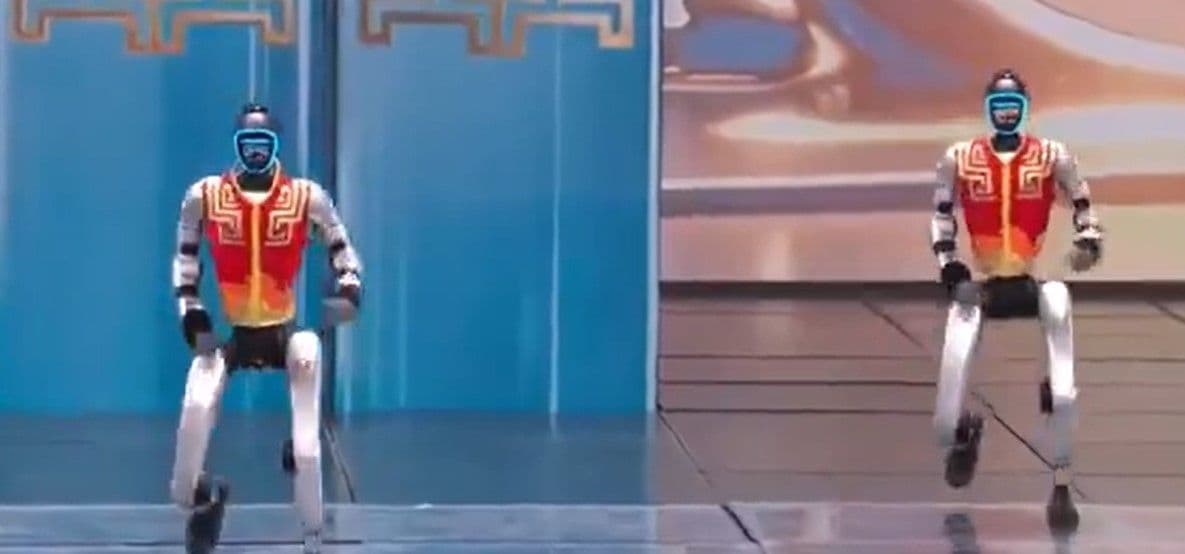
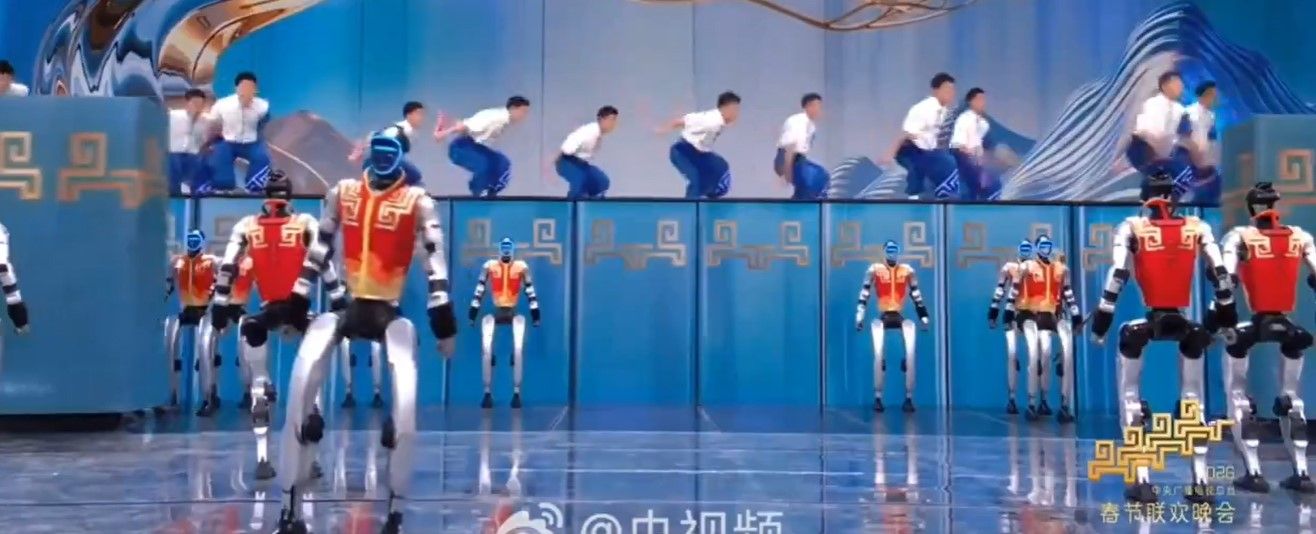
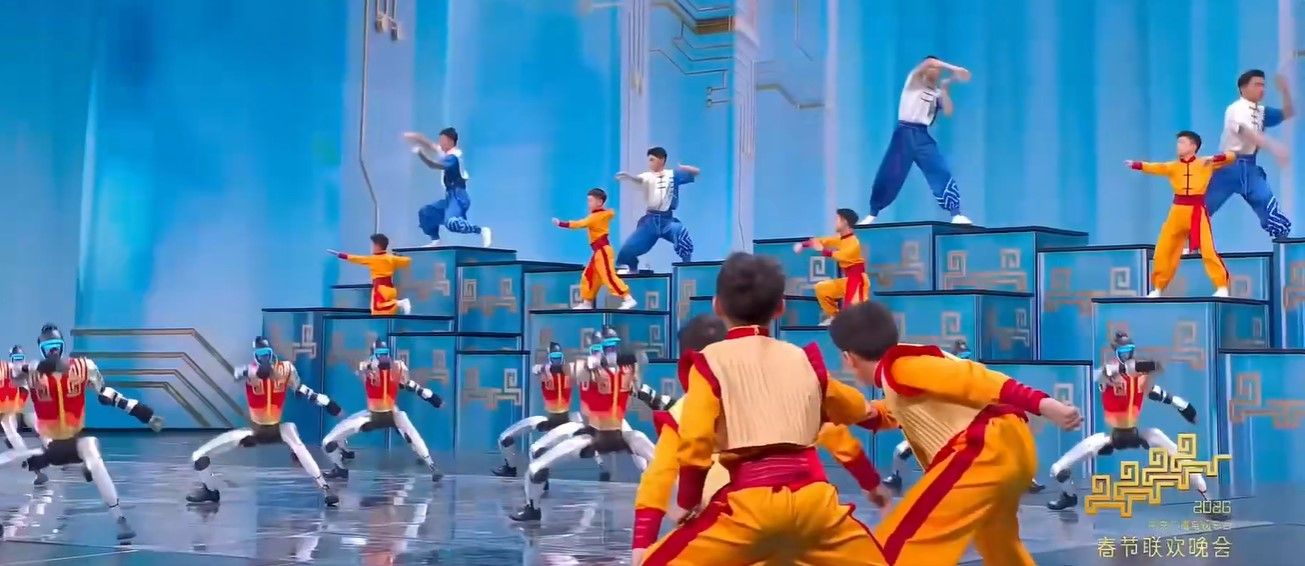
The Chinese New Year Gala, also known as the Spring Festival Gala or 'Chunwan,' has long been a platform for showcasing the pinnacle of cultural achievement and technological progress. However, this year’s performance transcended all previous spectacles, introducing a segment that felt like a leap into a sci-fi future. On a stage traditionally reserved for the world’s most elite acrobats, singers, and dancers, a new breed of performer took the spotlight: humanoid robots. These were not the clunky, slow-moving machines of decades past. These were highly agile, sophisticated entities capable of mimicking the fluid, explosive movements of ancient kung fu alongside human masters. The result was a stunning display of human-robot collaboration that left billions of viewers worldwide in awe.
This performance wasn't just a gimmick; it was a profound statement on the current state of robotics and artificial intelligence. By integrating humanoid robots into a martial arts routine a discipline that requires immense balance, precision, and timing the creators of the Gala demonstrated that the gap between biological movement and mechanical execution is closing faster than ever. In this comprehensive exploration, we will dive deep into the technology behind these robots, the cultural significance of the performance, and what this means for the future of entertainment and society.
The Cultural Significance of the Spring Festival Gala
To understand why this performance was so impactful, one must first understand the weight of the Spring Festival Gala. Produced by China Media Group (CMG), it is recognized by Guinness World Records as the most-watched television program in the world. It is a cultural touchstone, a collective experience shared by over a billion people as they ring in the Lunar New Year. For a technology to be featured so prominently on this stage, it must represent a significant milestone in national and global achievement.
- National Pride: Showcasing home-grown robotics highlights technological self-reliance and innovation.
- Tradition Meets Modernity: The juxtaposition of ancient martial arts with cutting-edge AI symbolizes a bridge between the past and the future.
- Global Visibility: The Gala serves as a showcase for the world, signaling that humanoid robots are ready for real-world applications beyond the laboratory.
The inclusion of robots in the martial arts segment, specifically, is symbolic. Martial arts (Wushu) is deeply rooted in Chinese philosophy, emphasizing the harmony of mind, body, and spirit. Seeing a machine attempt to replicate this harmony is both a technical challenge and a philosophical inquiry into the nature of movement and 'life' in the digital age.
The Breakthrough: Humanoid Robots in Motion
The robots featured in the Gala represent the culmination of years of research in bipedal locomotion and dynamic balancing. Unlike wheeled robots or stationary industrial arms, humanoid robots face the immense challenge of maintaining balance on two legs while performing high-acceleration movements. In the context of martial arts, this involves rapid weight shifts, high kicks, and deep stances all of which require the robot to process sensor data and adjust its motors in milliseconds.
Engineering Fluidity and Grace
The fluidity seen on stage was made possible by several key advancements in robotics hardware:
- High-Torque Density Actuators: To perform a kung fu kick, a robot needs motors that are both lightweight and incredibly powerful. The latest generation of actuators provides the necessary torque to lift the robot's own weight rapidly while maintaining precise control.
- Advanced Proprioception: Just as humans have a sense of where their limbs are in space, these robots use a network of IMUs (Inertial Measurement Units) and joint encoders to track their posture with sub-millimeter accuracy.
- Real-Time Physics Engines: The robots are running complex algorithms that predict the physical outcome of every movement, allowing them to compensate for momentum and gravity in real-time.
#Robots performed martial arts at this year’s Spring Festival Gala 🤖🥋
— Guilin China (@Guilin__China) February 18, 2026
Ancient kung fu.
Cutting-edge robotics.
One unforgettable performance.
Be honest — would you want a robot like this? 👀#SpringFestival #TechMeetsTradition #MartialArts #FutureIsNow #ChinaInnovation… pic.twitter.com/h0rzcHIZ7Y
Bridging the Gap: Ancient Kung Fu Meets AI
Choreographing a martial arts routine for a humanoid robot is vastly different from programming a dance. Martial arts movements are functional; they are designed to generate force, maintain stability, and react to an opponent. To achieve this, engineers utilized Reinforcement Learning (RL) and Motion Capture (MoCap) technology.
First, professional martial artists were recorded using high-fidelity MoCap suits. This data was then fed into a digital twin of the robot. Through millions of simulated trials, the AI learned how to adapt these human movements to its own mechanical constraints. This process, often called Sim-to-Real transfer, ensures that the robot doesn't just look like it's doing kung fu, but is actually managing its center of gravity and joint stress in a way that is physically viable.
The Role of Computer Vision
During the live performance, the robots didhis performance has sent ripples through the global tech community. It serves as a proof of concept for the 'embodied AI' movement. Companies like Tesla with their Optimus bot, Boston Dynamics with Atlas, and Chinese firms like UBTECH and Unitree are all racing to create the most capable humanoid. The Spring Festival Gala showed that Chinese firms are currently leading the way in commercializing humanoid aesthetics and performance.
Looking forward, we can expect to see humanoid robots in various entertainment sectors:
- Theme Parks: Interactive robotic characters that can perform stunts and interact with guests.
- Film Production: Using robots as 'stunt doubles' or physical actors for complex CGI integration.
- Live Theater: Robots taking on roles in plays, bringing a new dimension to stagecraft.
As we move further into the decade, the sight of a humanoid robot performing alongside a human will become less of a shocking spectacle and more of a common reality. Whether in the home, the workplace, or on the world's biggest stages, the era of the humanoid has officially arrived.
Stay Updated on the Robotics Revolution
The world of AI and robotics is moving faster than ever. Don't miss out on the latest breakthroughs and cultural milestones.
Subscribe to Our Tech Newsletter